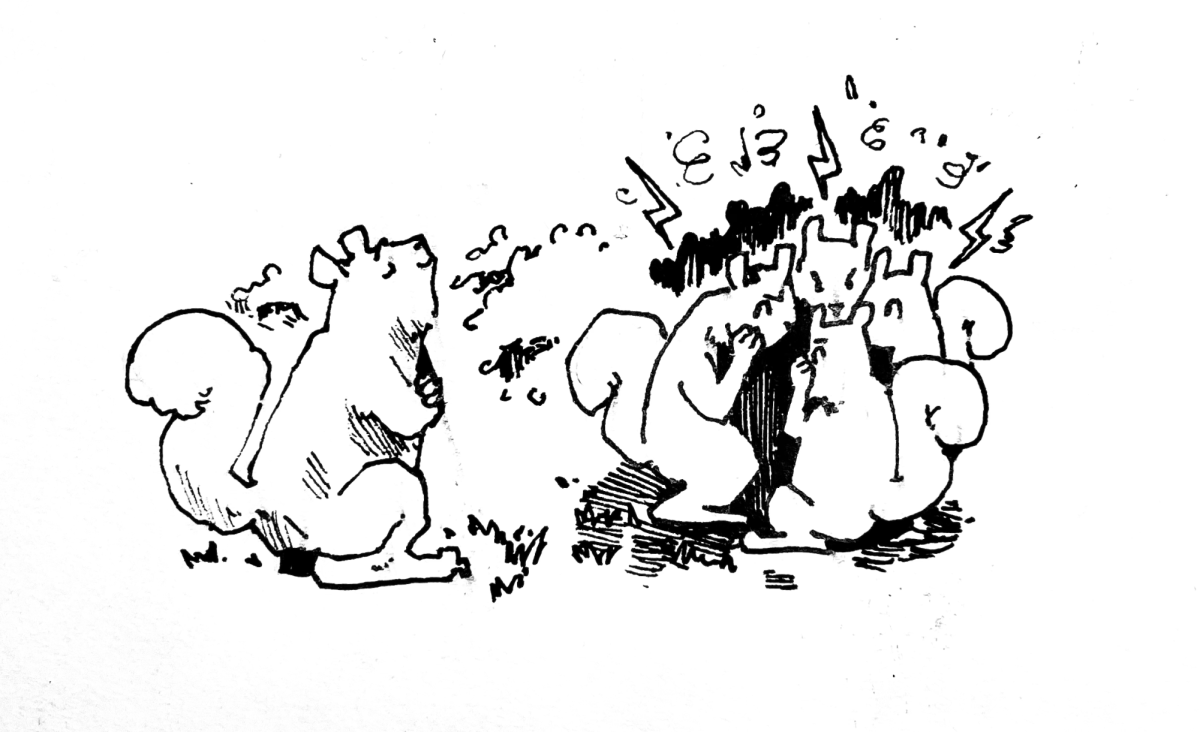
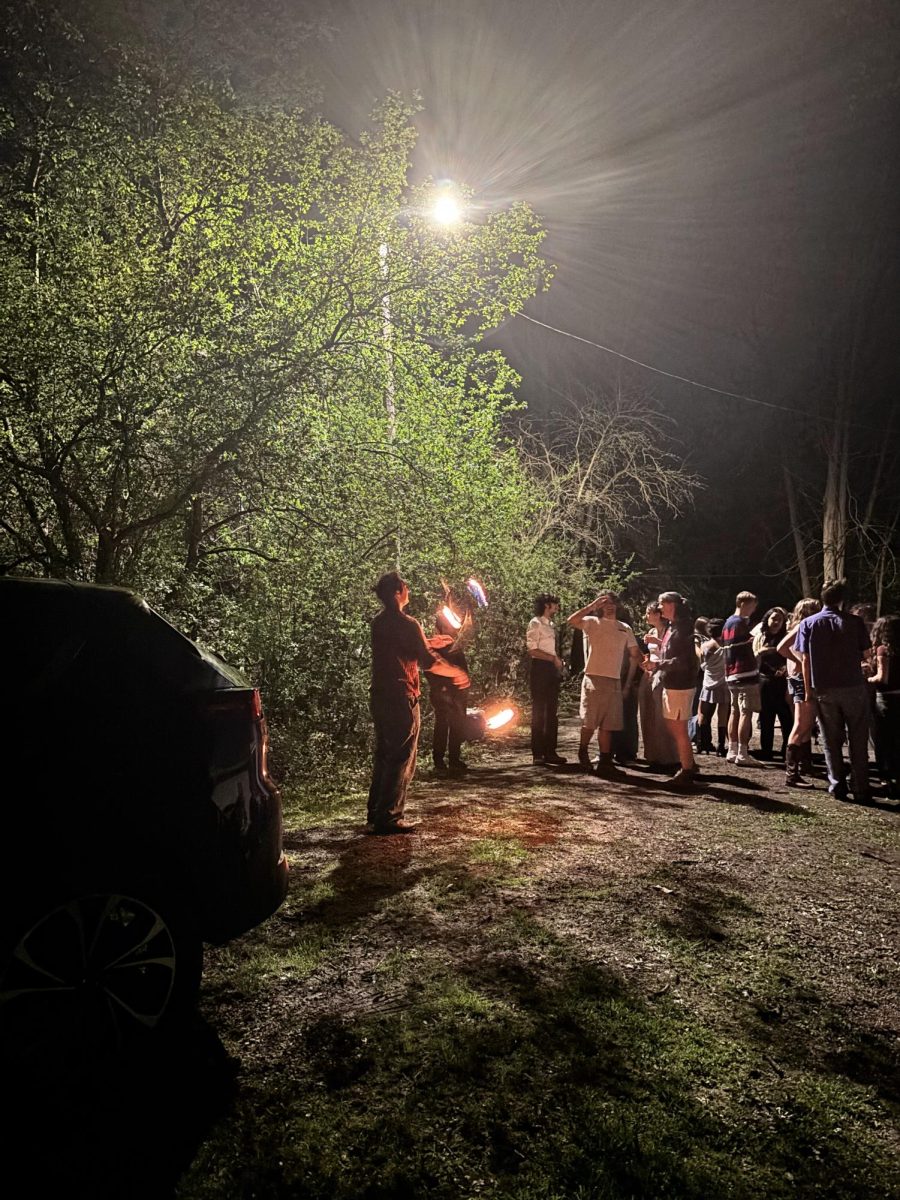
For most of my life, comfort was synonymous with safety. My comfort zone was the only zone of survival, and even the slightest step outside of it meant imminent danger. To me, comfort was staying silent, hidden, and hanging on. But who wants to spend their life in fight or flight? To those who feel, or have felt the same, you must fight fire with fire. Getting comfortable with discomfort is a necessary step in optimizing the opportunity for growth. This is a story about how I ventured out of my survival zone into these opportunities, and how you can, too.
First things first, let’s take it back to childhood, where — and let’s be frank — most of our lingering issues begin. Think about the quiet kid in your elementary school, the one that never raised their hand or looked the teacher in the eye. When I say I was that kid, I am not exaggerating. I transferred schools during first grade, and the teacher told me to introduce myself to the class in my native language. I felt like crying or running away or cursing her out in my head because why would she make such a request of me? Shyness was my identity, and I was definitely uncomfortable with the idea of breaking out of it.
Socratic seminars rolled around, and my only requirement was to speak twice during the class discussion about our reading to get my participation points. But what if I said something stupid or outright wrong? What if I stuttered or my voice cracked? I couldn’t take that risk. I accepted my zeroes.
I became accustomed to the nurse’s office, where I would go to ask them to send me home in times of panic. Of course, I would tell them I had a headache or stomachache — something easier to understand. When a new nurse was in the office one day, I think she saw past my charade. She told me a few words that I still chant to myself to this day: “You are safe right here, right now.” How did she know that it wasn’t my stomach that was bothering me? Maybe it was my visible shaking, pacing, and eyes darting. Bless her heart.
From then on, those words became my mantra in times of distress. Once I said it enough, I even started to believe it. I realized that I needed to stop running home whenever I felt uncomfortable. The first step of creating any tangible change is deciding that you are willing to take action to make that change happen. This was when I decided to embark on a journey into my optimal zone of discomfort, where the most growth can happen. I realized that my current comfort was not worth the future consequences that would escalate beyond lost participation points. If you find yourself ruminating over the same “what if’s” and “if only’s” time and time again, it is time to make the decision to escape complacency.
The first step to this was envisioning what I wanted for myself. In my case, I wanted to be exactly the opposite of who I was. I wanted to be confident, collected, and secure. This doesn’t happen overnight. If you envision the end product and call it a day, you are setting yourself up for failure. The next step is to break that down into manageable goals.
I was at a point where I only participated in class when cold-called. I told myself I would volunteer to speak once a month. Once I could do that, I started participating once every two weeks, then every week, then every day. This allowed me to feel more comfortable with voicing my opinions, regardless of whether other people might agree with them. Spacing your goals out over large intervals of time and gradually shortening those intervals can make them less intimidating, and therefore more realistic.
The next step was familiarizing myself with rejection. I used to think a single rejection would define me. If I got one application rejected, the whole world would find out about it, and I would be a disgrace to my family. This became especially apparent when applying to internships, projects, and jobs. I’ve since started to welcome rejection by applying broadly. After all, it only takes one acceptance. As many say, rejection is redirection. By avoiding it, you may be indirectly avoiding the successes that matter.
A third obstacle was asking for help. As the eldest daughter, I prided myself on my independence and ability to accomplish everything on my own. I started going to office hours to ask my professors for feedback. Little did I know how helpful a 10-minute conversation could be. I began to actively seek mentorship, and it is one of the best decisions I have made. These brief conversations led to guidance in many aspects of my life, and my mentors continue to be resources in times of change or uncertainty. If you need help with academics, career exploration, or areas of your personal life, chances are there are resources available for you. Book that appointment now, and worry about the scary conversation later. You will thank yourself for it.
There are, of course, many other areas that I have taken steps to improve in over the years, but I won’t bore you with the details. I do, however, want to offer a moment of reflection. Who do you want to be in one, five, or 10 years? What needs to change, and what realistic goals can you set now? Get comfortable moving out of your comfort zone, and take the first small steps. An object at rest remains at rest until an outside force acts on it, and you have the choice to create momentum toward growth today.